
Why You (And I!) Should Turn Our Trash Into Treasure
Over the years, upcycling has been gaining in popularity more and more with people all over the world. And for good reason because upcycling benefits us and the environment in many ways.
Upcycling helps you reduce waste that would otherwise go to landfill, gives old and unloved items a new life and helps you save money as there’s less need to buy brand new items all the time.
And don’t even get me started on how much upcycling can help the environment!
I think upcycling is so fun and rewarding. It’s actually one of the main reasons why I started this craft blog you’re reading right now.
Trapped at home during lockdown and suffering from a huge loss of income, I started “hunting” around the house for things I could upcycle and sell on Etsy. I later found junk journals and interesting ways to upcycle unloved books. The rest as they say is history…
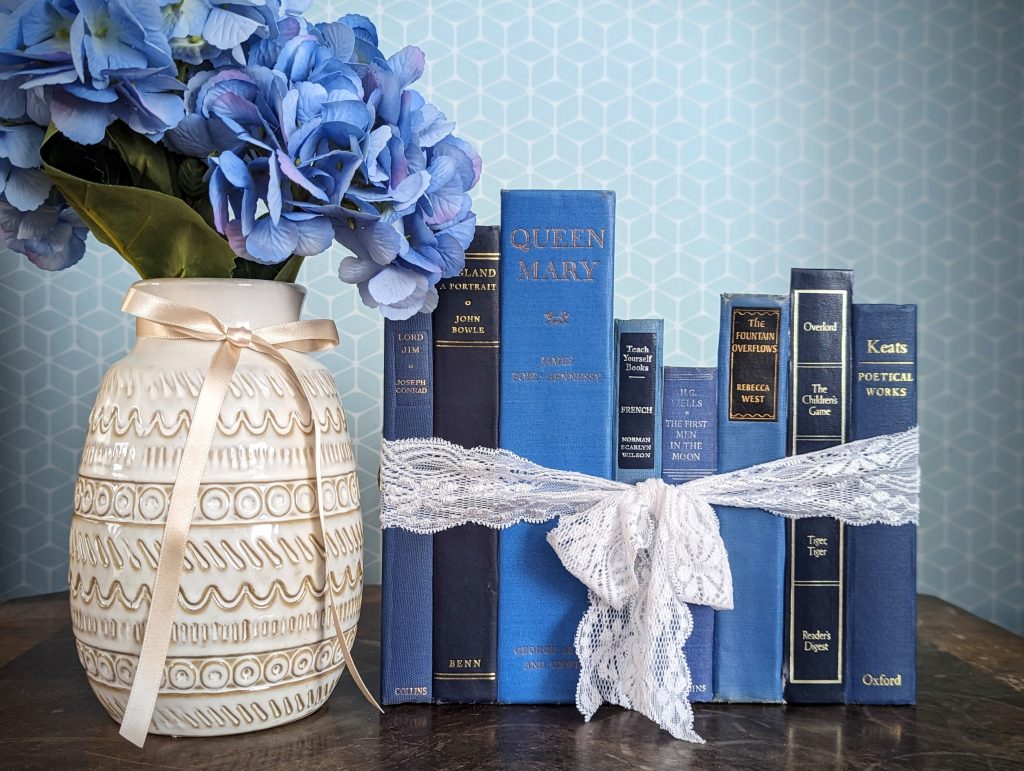
Psst! If you’re not sure what upcycling is, then in a nutshell, upcycling is the process of taking old, discarded and unloved items and transforming them into something new and useful. You can upcycle all sorts of things – from clothing and jewellery to furniture and even actual trash!
So, let’s discuss the top reasons why you (and I!) should turn our trash into treasure.
3 Key Benefits of Upcycling (The TLDR Version)
If you don’t have time to read this entire blog post right now, then here are the top three reasons why you (and I) should upcycle and repurpose products:
- Upcycling helps to reduce waste, conserve natural resources and reduce carbon emissions.
- Upcycling is a fun and rewarding way to save money and express your creativity.
- Upcycling encourages us all to have a more minimalistic lifestyle, which goes full circle right back to point number 1 and continues on.
Essentially, upcycling promotes a circular economy. And that in and of itself comes with a lot of benefits. Let’s discuss them in detail…
Upcycling helps you to reduce waste
By upcycling various items around your house, such as clothes, furniture, electronics and packaging, you’ll give those things a new lease of life, while reducing waste and keeping those items away from landfill.
But there’s even more to it than that. According to an article originally published on Brightly.eco, upcycling “reduces the need to use unethically sourced or unsustainable materials, like plastic, to create new products.”
Essentially, upcycling promotes a circular economy where materials are continuously reused and repurposed rather than manufactured again and again, which can only be good news for the environment.

Upcycling helps you to lower your carbon footprint
Manufacturing new products requires a lot of energy, which often comes from fossil fuels. As I’m sure you’re aware, this energy consumption contributes to greenhouse gas emissions, which can have a negative impact on the environment.
But by having less demand for new products (especially those made from unsustainable materials) and reducing how much energy is used to manufacture new products, we can work together to lower carbon footprints all over the world – including those of big companies.
Don’t just take my word for it! According to Upcycle Studio, upcycling results in “a reduction in air pollution, water pollution, greenhouse gas emissions and often a conservation of global resources.”
Going back to the idea of a circular economy I mentioned earlier; if we have less demand for raw materials, then we can also encourage natural habitats and biodiversity.
Mining and logging, often associated with obtaining raw materials, can lead to deforestation and habitat destruction. Upcycling helps to curb – or at the very least minimise – these activities. Does that mean giving something a second life results in new life? Quite possibly.

Upcycling helps you save money
Speaking of having less need for new products, surely this will also help all of us to save money?
Take this DIY draught excluder I made from my old sweater, for example. Not only did I save my sweater from going to landfill (it had shrunk in the wash so wouldn’t have been much use to anyone other than maybe a toddler), but I also saved myself about £15 by making my own version of something sold in store.

Upcycling inspires creativity and innovation
Without a doubt, I’m at my most creative when I’m upcycling or repurposing something. The entire process challenges me to think differently and see an item for more than what it is.
Not to mention the act of transforming something old into something new is incredibly rewarding!
A piece of junk mail? Well, that’s a pocket for my junk journals right there. Just by folding and glueing this piece of paper in different ways, we can create unique ephemera for our journals.
An empty jam jar? Well, with just a smidgeon of creativity, that can be a Christmas luminary or a spooky apothecary jar for Halloween.

I’d argue the creative possibilities of upcycling are endless! But we can go further again.
How many businesses have launched because of creativity and innovation? Many business owners (including myself) make money from selling items we’ve upcycled or repurposed.
In my case, I sell junk journals and handmade ephemera. But there are amazing artisans all over the world who “flip” furniture, so that item can take pride of place in someone’s home for many years to come.
Even if you don’t upcycle anything yourself, you can still help the chain. By supporting people who upcycle and repurpose things, you can help us save more items from landfill.
RELATED: How To Make Money From Crafting – 10 Tips & Ideas To Try
Upcycling encourages you to have a more minimalistic lifestyle
Once you start upcycling, you’ll probably become more mindful of what you’re buying. You may even develop a more minimalistic lifestyle because of it.
Upcycling makes you rethink whether you really need yet another dress you’re never going to wear, or a new dresser that doesn’t look all that different from the one you had before.
Instead, can you “shop your trash” and repurpose unloved items around your house into something you do love and will continue to love for years and years?
Are you ready for some easy upcycling projects?
Hopefully, by now, I’ve convinced you of why turning our trash into treasure is a good thing. So, if you want to get stuck into some easy upcycling projects, then I’m sure you’ll love these ideas:
- 21 Genius Ways To Upcycle Old Books
- DIY Christmas Luminaries Using Mason Jars
- How To Upcycle A Sweater Into A DIY Draught Excluder
- Gift Bag Wall Art (Christmas Reverse Canvas Tutorial)
- Pretty DIY Map Art: 6 Easy Projects You’ll Love Making
Did you like this blog post about the benefits of upcycling? Why not pin or bookmark it now, so you can read it again later?

Junk Journal Toolkit
📦 What do I need to get started?
If you’ve got paper, glue, scissors and something to bind your pages with (like a needle, thread and an awl or pokey tool), you’re good to go! Check out my essentials vs. nice-to-have supply list for more info.
🤯 I’m overwhelmed by tutorials and ideas. Where should I start?
Start with my free Mini Junk Journal Masterclass. It walks you through the process step-by-step. Even though it focuses on a mini journal, the same tips apply to any size journal.
❓ I don’t understand the terminology. Can you help?
Absolutely! My A–Z Junk Journal Glossary breaks down all those confusing terms and acronyms. Jargon be gone!
🪡 How do you keep your binding neat?
I use my bookbinding cradle to line up my holes and avoid punching too far through the pages. Smaller holes give a neater and more secure binding, and I use this thin upholstery thread for a cleaner finish.
🧵 Do I need a sewing machine?
Not necessarily! A basic sewing machine is helpful for making fabric-covered journals, but strong fabric glue can work just as well. If you stick to paper-based journals or folios, you don’t need one at all. I like the sewn look and making fabric-based journals, so I personally use a simple machine (similar to this) that’s lasted me over 10 years – it’s a trusty part of my toolkit.
🖼️ What digital papers do you use?
I use a mix of my own designs and other favourites. You can see examples here. New to digitals? Check out my mega bundle for a big saving on some of my designs or sign up for my Mahalo Clubhouse membership to get brand new digitals sent to you every month.
📜 What’s the best paper for printing digitals?
I use this 100 GSM Presentation Paper for vibrant and high-quality prints.
🖨️ What printer do you recommend?
I love my Epson Ecotank. It’s affordable, reliable and the ink lasts ages. I used to spend £30 a month on ink – now I refill just once or twice a year for under £30. Check out my detailed review of EcoTank printers to see how much you could save!
🖇️ What glues do you use?
My go-tos are Collall All Purpose, Cosmic Shimmer and Beacon 3-in-1. Here’s how I use each one.
📖 What books are best for junk journaling?
I love using second-hand nature and botanical books. Here are some great titles to look for next time you’re thrifting.
